Photo: Wikimedia Commons Saving and investing are two different ways to handle your extra cash. Most people think putting money in a bank is enough, but that is only half the story. You need both to build a safe future. The short answer is that saving is for money you need soon, while investing is for money you want to grow over many years. Saving keeps your cash safe and easy to reach. Investing puts that cash to work in things like stocks or bonds so it can get bigger, though it comes with the risk that you could lose some. If you only save, your money might lose its power to buy things later. If you only invest, you might not have cash when your car breaks down tomorrow. What it means to save your money Saving is like putting your money in a glass jar. You know exactly how much is in there every time you look. Most people use a savings account at a bank for this. The bank might give you a tiny bit of extra money, called interest, just for keeping it there. It is very safe beca...
Get link
Facebook
X
Pinterest
Email
Other Apps
Stocks Explained for Beginners: How Owning a Piece of a Company Works
Get link
Facebook
X
Pinterest
Email
Other Apps
Photo: Wikimedia Commons
Buying your first stock can feel scary, but stocks explained for beginners do not have to be hard. A stock is just a tiny slice of a real business you can buy. When that business makes money and grows, your slice can become worth more money too.
Think of it like buying one slice of a giant pizza. You do not own the whole pizza shop, but you own that one slice. If people love the pizza and line up down the street, your slice gets more valuable. If you sell it later, someone might pay you more than you paid for it.
What Is a Stock and How Does It Work?
When a company wants to grow, it needs money. It can borrow money from a bank, or it can split itself into millions of tiny pieces called shares. When you buy one share, you become a tiny owner of that business. People use the word stock to talk about these small pieces of ownership.
Imagine your neighbor starts a small shoe shop with 100 shares. If you buy 1 share for 10 dollars, you own 1 percent of that shop. If the shop sells thousands of shoes next year, the whole business might be worth 2,000 dollars instead of 1,000 dollars. Now your 1 share is worth 20 dollars. That is how making money in stocks works at its most basic level.
Big companies like Apple, Nike, or Coca-Cola have billions of shares. Anyone with a bank account and a phone app can buy a share in minutes. You do not need thousands of dollars to start. Many apps let you buy tiny parts of a single share for just 5 dollars.
Photo from the web
How Do You Actually Make Money from Stocks?
You can make money with stocks in two main ways. The first way is called price growth. You buy a share at a low price, wait for the company to grow, and sell it at a higher price later. The extra cash you keep is your profit.
The second way to make money is through payouts called dividends. Some quiet, steady companies take part of their profits every three months and mail it straight to their owners as cash. If you own 10 shares of a food company, and they pay 1 dollar per share each year, you get 10 dollars deposited right into your account just for holding the stock.
Not every company pays dividends. Young tech companies often keep all their profits to build new items and hire more workers. Older companies that are already big, like grocery stores or power companies, like to share their extra cash with owners instead. Both ways can help your money grow over time. Understanding these payouts connects to how money builds over time through compound interest when you buy more shares with your payouts.
Why Do Stock Prices Go Up and Down Every Day?
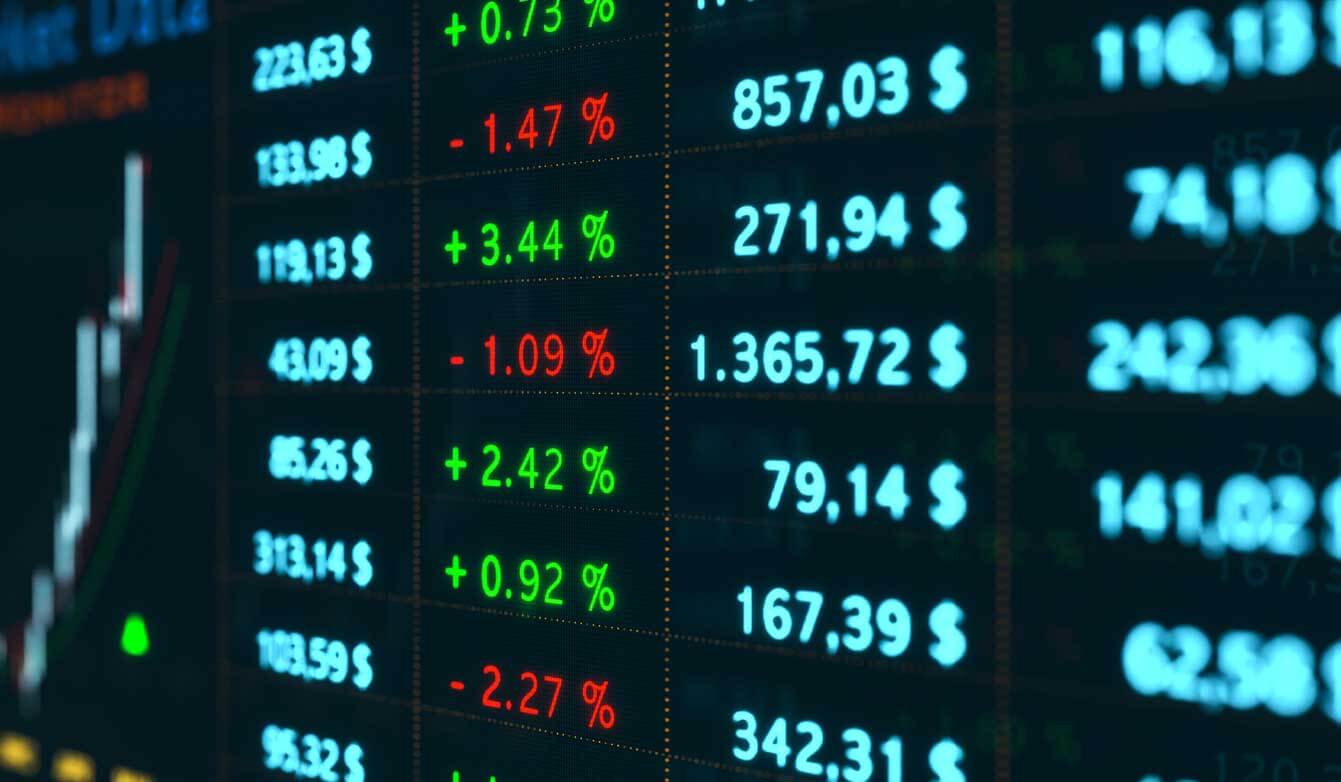
If you watch the news, you see numbers flashing red and green all day. Stock prices change every second because people are constantly buying and selling them. The price goes up when more people want to buy a stock than sell it. The price drops when more people want to sell.
News affects prices very fast. A good report about high sales can make a price jump in five minutes. Bad news, like a product delay or a cold winter that slows down shopping, can drop the price just as fast. Sometimes prices drop for no good reason at all, just because buyers feel nervous that day.
Here is a short example. Imagine a coffee company sells a great new drink on Monday. Its stock price might rise from 50 dollars to 55 dollars because buyers get excited. On Tuesday, a storm slows down coffee shipments. Panicked sellers push the price down to 48 dollars. The actual coffee shops did not vanish, but people's feelings about the business changed for a day.
Understanding the Real Risks of Owning Stocks
It is easy to focus on making money, but stocks also come with real risk. A company can lose sales, make poor choices, or face new rivals. If a business loses money for years, its stock price will drop. If a business goes bankrupt and closes its doors, its stock can drop down to zero dollars, and you can lose all the money you put into that one company.
Prices also move in big waves across the whole market. Sometimes the entire market falls for months, which is called a bear market. Seeing your account total drop by 20 percent in a few weeks feels horrible. It happens to every single investor at some point.
The best way to protect your money is to never put all your cash into one single business. If you put all your savings into one shop and it closes, you lose everything. But if you spread your money across 50 different businesses, one bad company will not ruin your whole plan. Spreading your cash around like this is called diversification, and it helps lower your stress when market bad news hits.
How Do Beginners Buy Their First Stock?
Getting started today is much easier than it was twenty years ago. You do not need to call a broker on the phone or wear a suit. You just need a phone or computer and a small amount of cash to set up an account.
Here are three simple steps to start:
Pick a well-known broker app with low fees and good customer reviews.
Link your normal checking account to move a small amount of cash into your new account.
Search for a company you know and buy your first single share or partial share.
Before you buy anything, ask yourself why you want to own that company. Do you use their goods every week? Do you think they will stay strong for the next ten years? Buying what you understand helps you stay calm when the market moves around.
You can also read simple guides on our financial basics blog to learn how different accounts handle your taxes and long-term savings. Staying informed helps you avoid silly mistakes early on.
What Is the Best Way for a Beginner to Start?
If picking single companies feels too risky or confusing, you do not have to pick them at all. Most beginners start by buying funds that hold hundreds of stocks together in one single package. That way, you own a tiny piece of the entire economy at once.
When you buy a market fund, you own small pieces of computer companies, banks, stores, and hospitals all at the same time. If one shop has a bad year, the other 99 shops can balance it out. This keeps your money much safer than picking one winner yourself.
Some people also look into other items like digital money, but those carry very different rules and risks. You can read about local rules on Springfield City Council Moves to Ban Crypto Kiosks to see how towns watch over new types of money machines. Plain old stock index funds stay the most simple choice for building quiet wealth over long periods.
The goal of stock investing is not to get rich by next Friday. The goal is to let your money work for you over five, ten, or twenty years so your future self has more freedom. Start small, keep your steps plain, and give your cash time to grow naturally.
What is one company you use every single day that you might want to own a piece of?
A recent Binance hack shows that the market faces a tough battle against online thieves. Hackers keep finding new ways to steal digital assets from big exchanges. This event proves that protecting customer funds remains a major problem for the whole industry. What Is the Binance Hack? The latest security breach at Binance highlights the ongoing fight between exchanges and modern cyber criminals. Thieves targeted the platform to steal digital funds, proving that even giant platforms have weak spots. Events like this make many everyday investors worry about the safety of their holdings. Security teams work hard to stop these attacks, but criminal tools keep getting better over time. Every new breach forces platforms to build stronger digital walls to keep bad actors out. You should always follow basic safety rules whenever you store funds online. Why Is Stopping Crypto Hackers So Hard? Protecting a cryptocurrency network is very hard because digital transactions move across the...
Photo: Wikimedia Commons Inflation eats your money quietly while it sits in your bank account. You leave ten dollars in a drawer, and ten years later, that same ten dollars buys half as much bread as it used to. The bills look the exact same, but their buying power is gone. The short answer is simple. Inflation happens when prices for everyday things go up over time. If your cash stays still while prices rise, you lose wealth without spending a single cent. Learning how to protect your cash is one of the most useful skills you can pick up. What Is Inflation and How Does It Work? Think about a trip to the grocery store. Five years ago, twenty dollars might have paid for milk, eggs, bread, and a bag of coffee. Today, that same twenty dollars might only buy the coffee and the milk. The cash did not change, but its real value dropped. Governments print money, and costs for materials go up. When businesses pay more for energy, fuel, or workers, they raise their prices to stay in bu...
Photo: Wikimedia Commons Saving and investing are two different ways to handle your extra cash. Most people think putting money in a bank is enough, but that is only half the story. You need both to build a safe future. The short answer is that saving is for money you need soon, while investing is for money you want to grow over many years. Saving keeps your cash safe and easy to reach. Investing puts that cash to work in things like stocks or bonds so it can get bigger, though it comes with the risk that you could lose some. If you only save, your money might lose its power to buy things later. If you only invest, you might not have cash when your car breaks down tomorrow. What it means to save your money Saving is like putting your money in a glass jar. You know exactly how much is in there every time you look. Most people use a savings account at a bank for this. The bank might give you a tiny bit of extra money, called interest, just for keeping it there. It is very safe beca...




Comments
Post a Comment