States and cities are moving to ban cryptocurrency kiosks as scam reports continue to climb. Local leaders want to stop bad actors from tricking people into feeding cash into these machines. This push comes as more victims lose money to fast-moving fraud. Why are states moving to ban cryptocurrency kiosks? Many lawmakers want to ban these machines because scammers use them to steal cash. A scammer will call a victim on the phone and tell them a scary lie. They might claim the victim owes taxes or has a family member in jail. The caller then tells the victim to go directly to a kiosk. Once the person gets to the kiosk, they insert physical cash. The machine converts that paper money into a digital coin like cryptocurrency and sends it away instantly. Because these transfers move across digital networks, the cash is gone right away. Victims usually cannot get their money back once the transfer is done. How cryptocurrency kiosk scams hurt everyday people These kiosks often sit ins...
Get link
Facebook
X
Pinterest
Email
Other Apps
What is Compound Interest and How it Makes Your Money Grow
Get link
Facebook
X
Pinterest
Email
Other Apps
Photo from the web
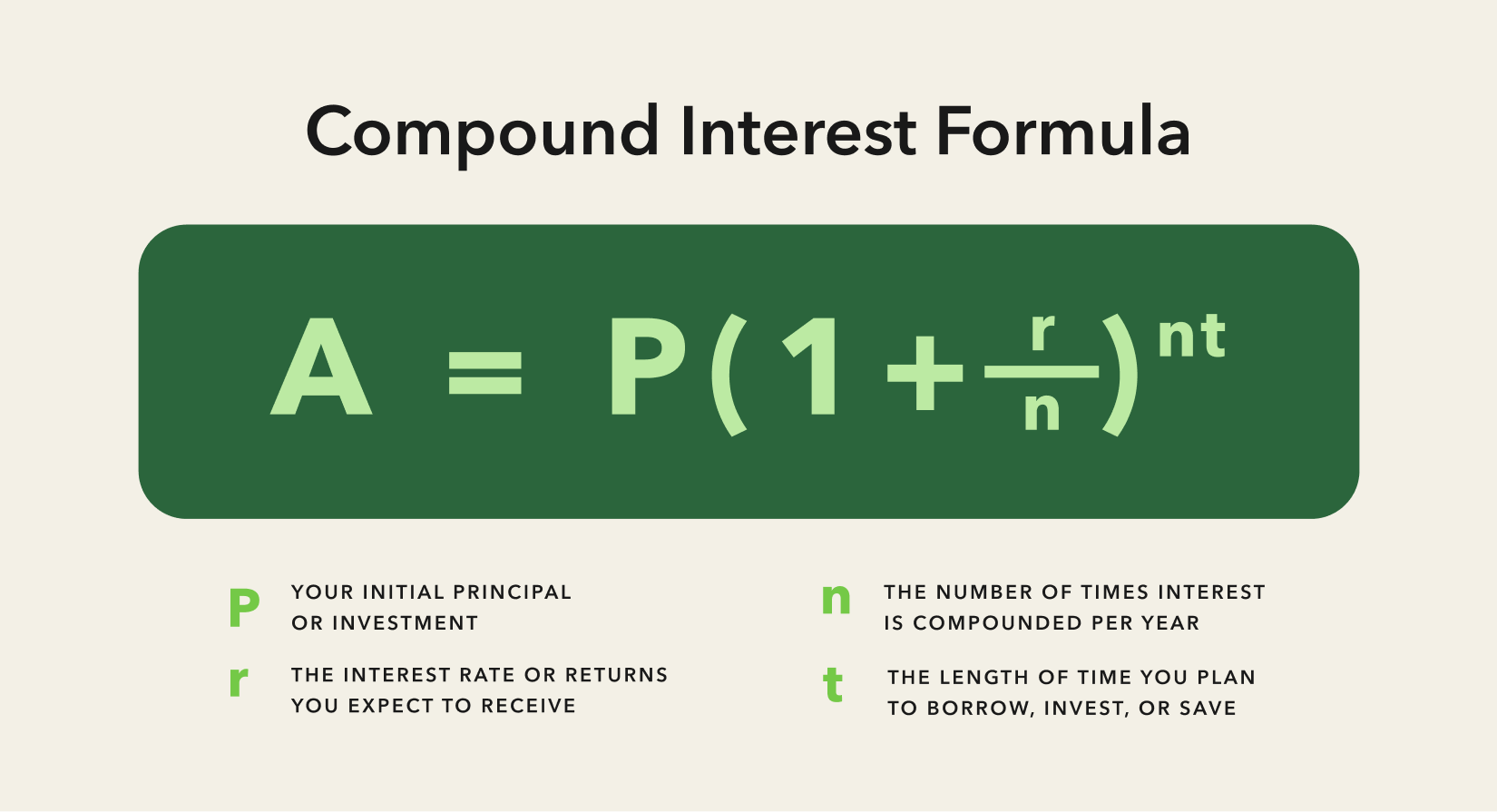
Compound interest is the secret engine that turns small savings into big money over time. It happens when the interest you earn starts earning interest of its own. It sounds like magic, but it is just plain math working in your favor.
Think of it like rolling a tiny snowball down a snowy hill. As it rolls, it picks up snow and gets bigger. The bigger it gets, the more snow it sticky-collects on every turn. By the bottom, that small ball is huge. That is how your money grows when you let it sit and build.
How Compound Interest Actually Works
Simple interest only pays you on the cash you put in. If you save $100 and get 10 percent interest each year, you get $10 every year. After three years, you have $130. It grows in a straight line, which is fine, but it is slow.
Compound interest works differently because it adds your extra earnings back into the main pile. In year one, your $100 makes $10, so you now have $110. In year two, you earn 10 percent on $110, which gives you $11. Now you have $121. By year three, you earn interest on $121, leaving you with $133.10.
That extra $3.10 might look tiny today. Give it twenty or thirty years, though, and that small difference turns into thousands of dollars. You can read more about the math behind Compound interest to see how banks calculate these numbers.
Photo from the web
The Snowball Effect: A Real Example
Let us look at two friends, Sarah and Mike. They are both twenty years old. Sarah puts $100 a month into a growing account that earns 8 percent interest each year. She stops putting money in after ten years, when she turns thirty. She invested $12,000 total and never adds another penny.
Mike waits until he is thirty to start. He puts in $100 every month for thirty-five years until he turns sixty-five. He puts in $42,000 of his own cash. Who has more money at the end?
Sarah wins by a huge amount. When they both turn sixty-five, Sarah has around $160,000, while Mike has about $140,000. Sarah put in $30,000 less than Mike, but her money had ten extra years to grow on itself. That is the power of starting early.
Why Time Matters More Than Big Money
Many beginners think they need thousands of dollars to start growing their wealth. That is simply not true. Time is actually much more useful than a big pile of cash. The longer your money sits, the harder it works for you.
When you start early, your money does most of the heavy lifting. In the final years of your account, your interest will earn far more each month than the actual cash you put in from your paycheck. Waiting just five years to start can cut your final total in half.
Markets do go up and down, so there is always risk when you put money into stocks or funds. You might see your balance fall during bad months. However, holding your assets over long periods has historically helped smooth out those scary drops. You can check market updates like the recent Crypto Market Drops as Traders Lose Hope to see how fast short-term prices move compared to steady, long-term growing plans.
What is Compound Interest when applied to debt?
Compound interest is amazing when you are earning it, but it works against you when you borrow money. Credit card companies use it to make extra cash from your unpaid bills. If you carry a balance, they charge interest on your balance plus the unpaid interest from last month.
Imagine buying a $500 TV on a high-interest credit card. If you only pay the absolute minimum each month, that TV could end up costing you $1,000 or more over time. The snowball rolls backwards, making your debt bigger and harder to pay off.
This is why paying off high-cost debt should always be your first move before trying to build wealth through a basic Investment plan. You cannot grow your money safely if your debt is growing faster than your earnings.
Simple Steps to Make It Work for You
You do not need to be a math genius to use this tool. You just need a simple plan and some patience. Here is how you can start today:
Start as soon as you can, even if you only have $20 a week.
Set up automatic deposits so you never forget to save.
Leave your balance alone so the earnings keep piling up.
Keep your costs low so fees do not take away your gains.
To learn more about how to set up your accounts and pick safe options, check out our full collection of guides on smart money moves for beginners. The key is to start now rather than waiting for the perfect day.
What is one small amount of money you can put away this week to get your snowball rolling?
A recent Binance hack shows that the market faces a tough battle against online thieves. Hackers keep finding new ways to steal digital assets from big exchanges. This event proves that protecting customer funds remains a major problem for the whole industry. What Is the Binance Hack? The latest security breach at Binance highlights the ongoing fight between exchanges and modern cyber criminals. Thieves targeted the platform to steal digital funds, proving that even giant platforms have weak spots. Events like this make many everyday investors worry about the safety of their holdings. Security teams work hard to stop these attacks, but criminal tools keep getting better over time. Every new breach forces platforms to build stronger digital walls to keep bad actors out. You should always follow basic safety rules whenever you store funds online. Why Is Stopping Crypto Hackers So Hard? Protecting a cryptocurrency network is very hard because digital transactions move across the...
Photo: Wikimedia Commons Inflation eats your money quietly while it sits in your bank account. You leave ten dollars in a drawer, and ten years later, that same ten dollars buys half as much bread as it used to. The bills look the exact same, but their buying power is gone. The short answer is simple. Inflation happens when prices for everyday things go up over time. If your cash stays still while prices rise, you lose wealth without spending a single cent. Learning how to protect your cash is one of the most useful skills you can pick up. What Is Inflation and How Does It Work? Think about a trip to the grocery store. Five years ago, twenty dollars might have paid for milk, eggs, bread, and a bag of coffee. Today, that same twenty dollars might only buy the coffee and the milk. The cash did not change, but its real value dropped. Governments print money, and costs for materials go up. When businesses pay more for energy, fuel, or workers, they raise their prices to stay in bu...
Photo: Wikimedia Commons Saving versus investing comes down to one clear choice: keeping your money safe for today or growing it for tomorrow. Most people need both, but they put their cash in the wrong spot at the wrong time. You might leave too much money in a bank account where it loses power, or risk cash you need next month on the market. The short answer is simple. Saving is for short term goals and emergency cash you might need right away. Investing is for long term goals, usually five years or more, where you want your money to outpace rising prices. Mixing up these two jobs is how people get stuck. What Is Saving and How Does It Work? Saving means setting money aside in a safe place, like a normal bank account. Your original money stays secure, and you can grab it whenever you need it. If you put $1,000 into a savings account today, that $1,000 will still be there next year. The main job of saving is quick access and zero risk. You use saved cash to pay for a broken c...



Comments
Post a Comment